
Pop Tart Plushie
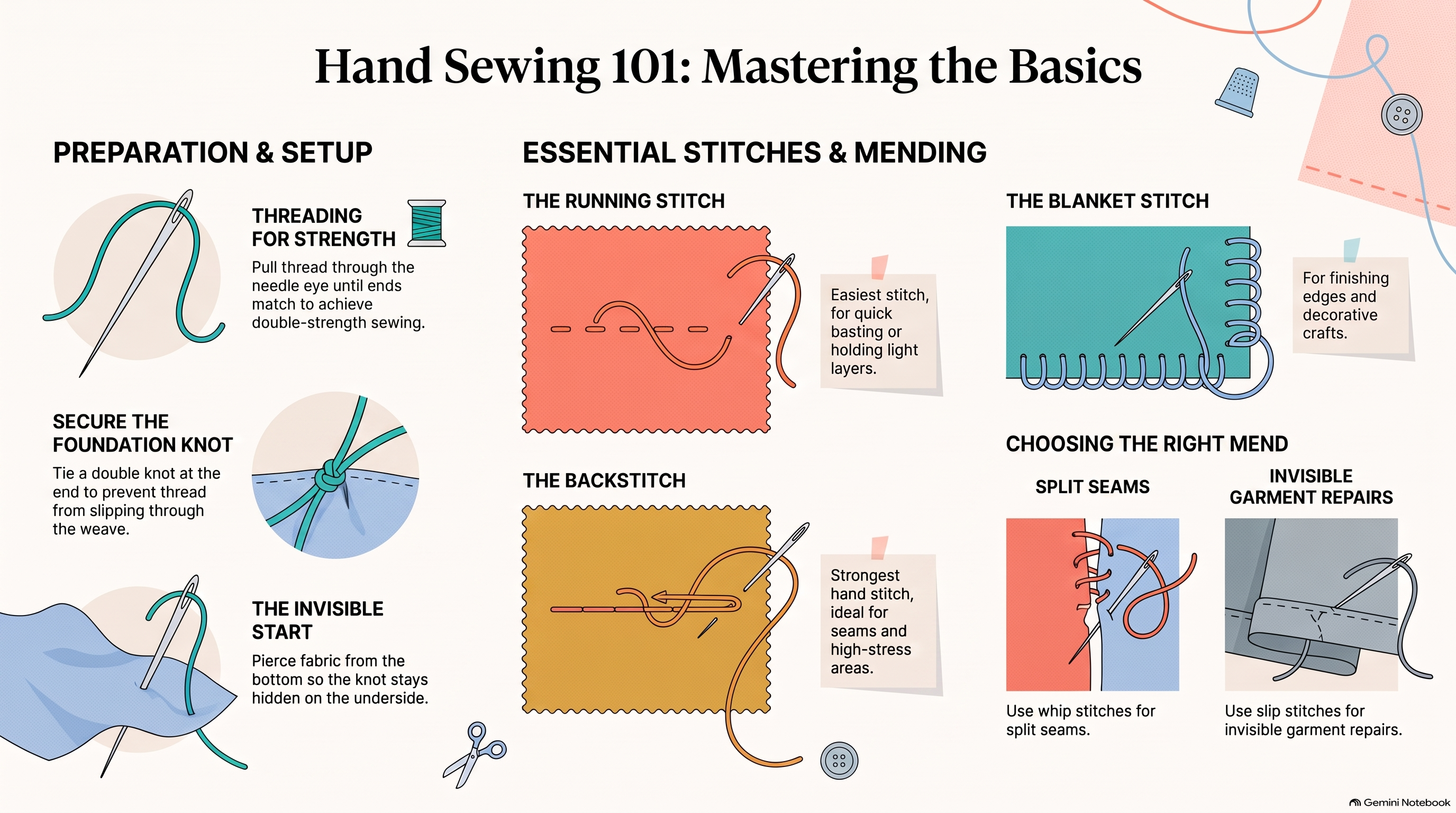
This is the big one — your first fully sewn soft sculpture. Using your blueprint as a guide, you'll cut all your felt panels, sew the front design (your custom Pop Tart 'frosting' and 'sprinkles' design), assemble the front and back panels with the side gusset, and stuff it to a satisfying squishiness. The design on the front is yours to invent — it just needs to look like a Pop Tart. Think about what flavor yours is, what the frosting pattern looks like, and what makes it uniquely yours. Use the Backstitch for all load-bearing seams — it's the strongest hand stitch and will keep your plushie from splitting. Use the Blanket Stitch or Whip Stitch to close the stuffing opening at the end.
Reference: Hand Sewing 101
Objectives
- 1Completed plushie must be fully stuffed and closed
- 2Front panel must have a custom frosting/sprinkle design using appliqué or embroidery
- 3All seams must be whip-stitched or blanket-stitched closed
- 4Plushie must be able to stand up to gentle handling without seams splitting
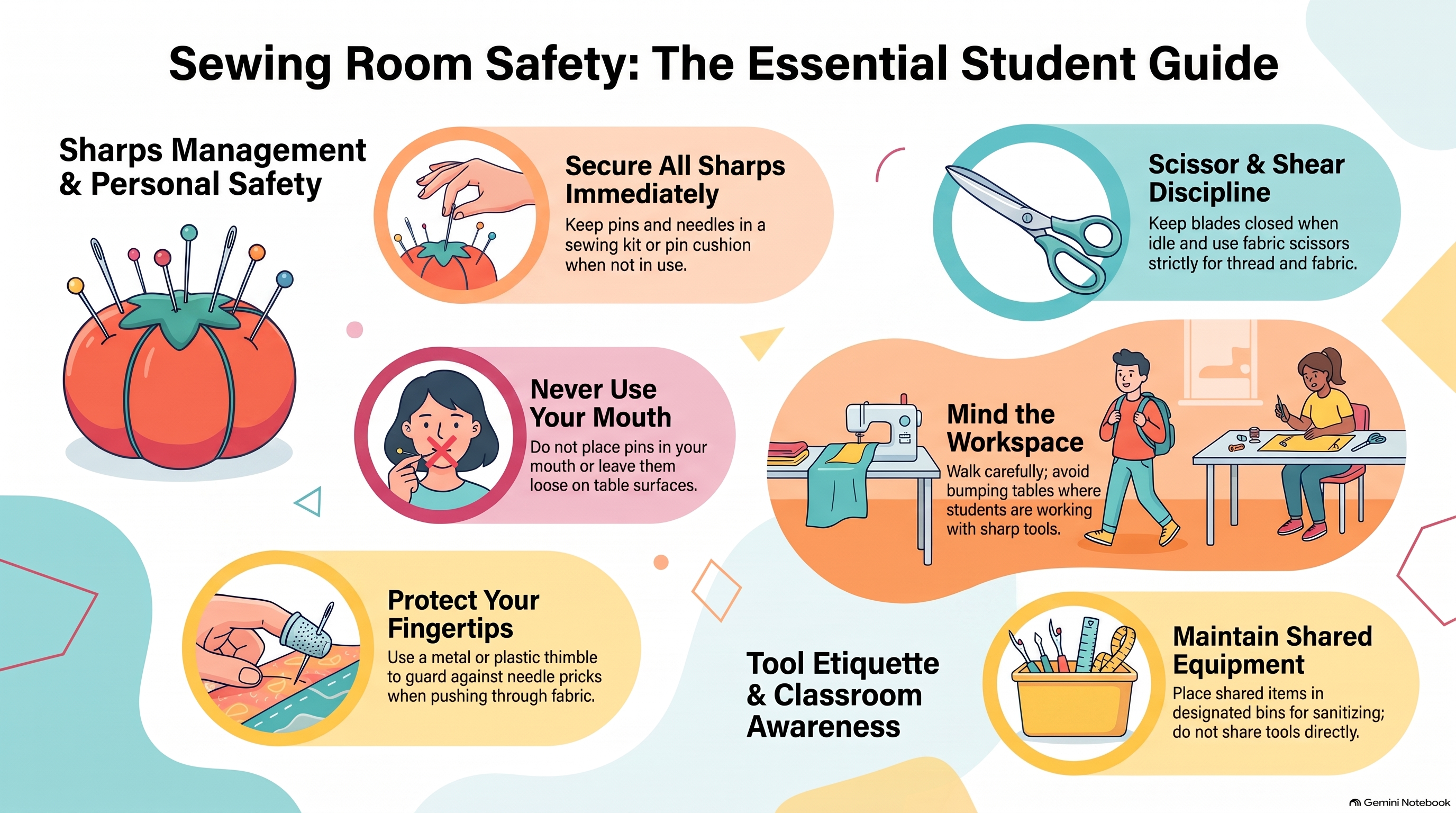
- 5All sharps (needles, pins) returned to pin cushion or kit before cleanup
Materials
- Felt in your chosen colors
- Embroidery needle and floss
- Polyfill stuffing
- Fabric scissors (blades closed when idle)
- Pins and pin cushion
- Thimble
- Your completed blueprint as cutting guide
Tips & Techniques
Reference: Sewing Room Safety
Reference: Hand Sewing 101
Lesson Videos
Running Stitch
3 minLearn the running stitch — the most fundamental hand sewing stitch used in appliqué and fabric work.
Back Stitch
4 minMaster the back stitch — a strong, sturdy stitch great for outlining and joining fabric pieces.